How unit count affects cost
Because veneers are typically priced per unit, treating more teeth tends to raise the total cost. That said, even a small case — like 4 front teeth — can require extra design work to match symmetry and color, while a larger case of 16 units centers on achieving overall harmony across the smile.
Explore by number of veneers
A common design example focused on the central front teeth, often for color or minor gap concerns.
Comparing unit counts
| Units | Typical coverage | Design considerations | |
|---|---|---|---|
| 4 | Central front teeth | Midline symmetry matters most | |
| 6 | Upper front arc | Color matching with adjacent natural teeth | |
| 8 | Full visible smile zone | Overall curve and proportion balance | |
| 10 | Front teeth plus side teeth | Correcting worn edges while keeping balance | |
| 16 | Full upper and lower arch | Coordinating bite and overall harmony |
- 4
- Central front teeth
- 6
- Upper front arc
- 8
- Full visible smile zone
- 10
- Front teeth plus side teeth
- 16
- Full upper and lower arch
- 4
- Midline symmetry matters most
- 6
- Color matching with adjacent natural teeth
- 8
- Overall curve and proportion balance
- 10
- Correcting worn edges while keeping balance
- 16
- Coordinating bite and overall harmony
- 4
- 6
- 8
- 10
- 16
Other factors regardless of unit count
Beyond the number of units, shade complexity, lab tier, and follow-up visits also affect the total. See the veneer cost structure guide for more on those factors.
Reference by unit count
- 4 units
- Quoted by Partner clinic
- 6 units
- Quoted by Partner clinic
- 8 units
- Quoted by Partner clinic
- 10 units
- Quoted by Partner clinic
- 16 units
- Quoted by Partner clinic
Verified partner-clinic pricing will appear here once available. No specific figures are shown at this time.
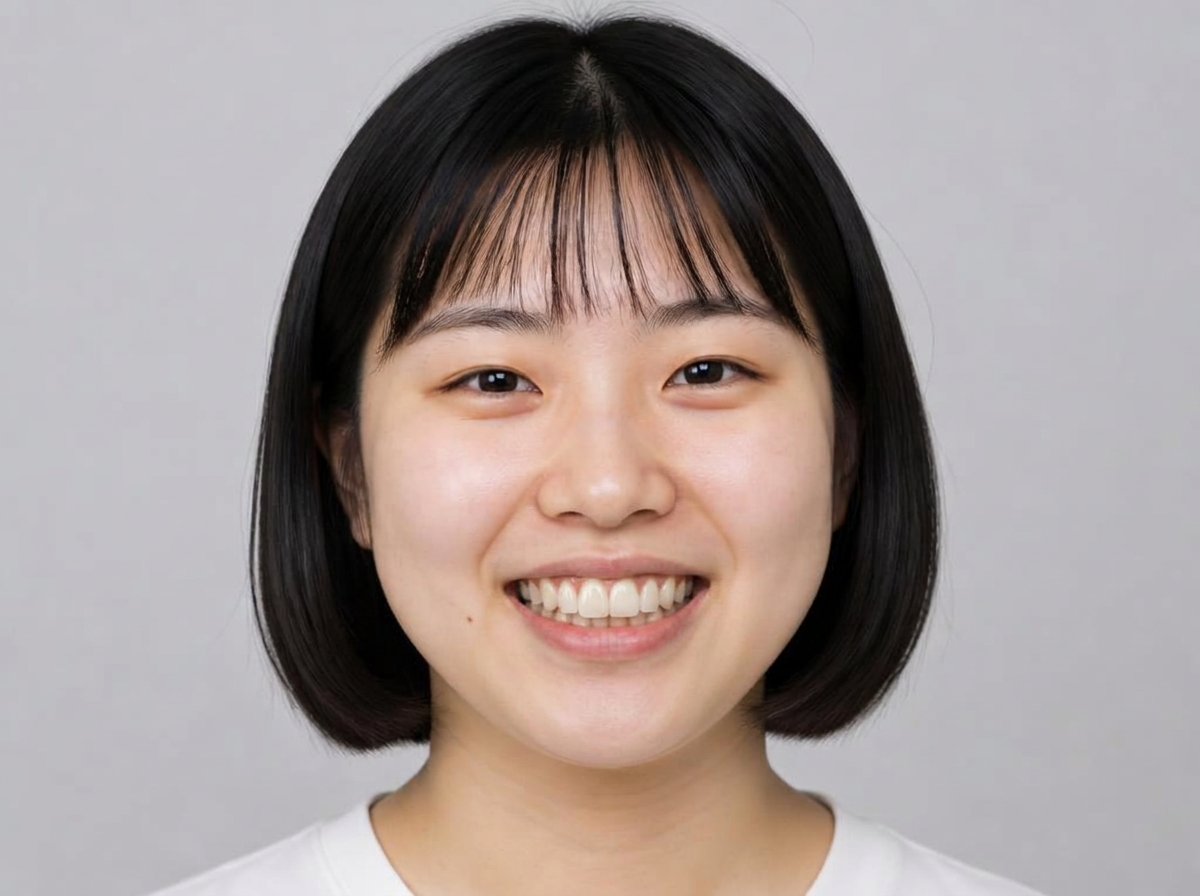
Real cases by unit count


Frequently asked questions
This article is general information, not a diagnosis or a recommendation for treatment. Individual results vary, and any treatment plan requires an in-person examination at a Partner clinic.